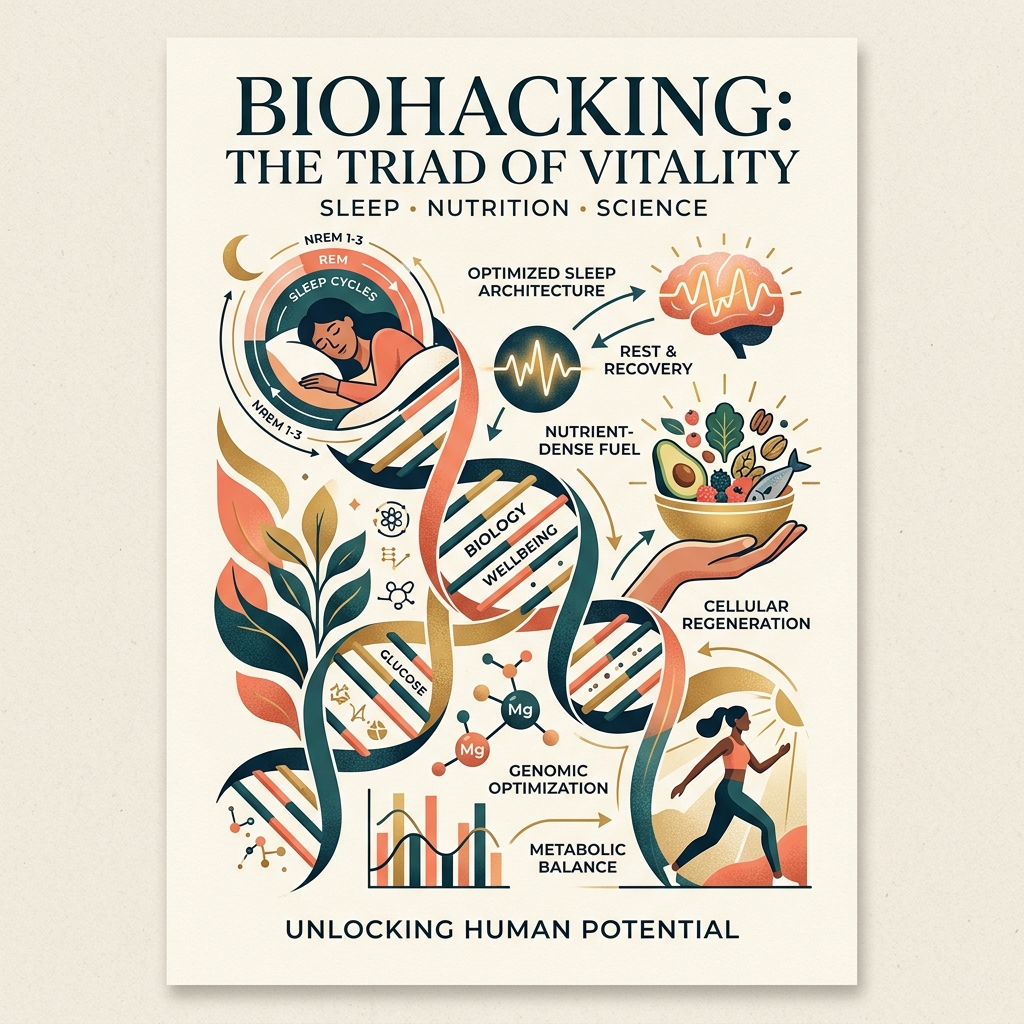
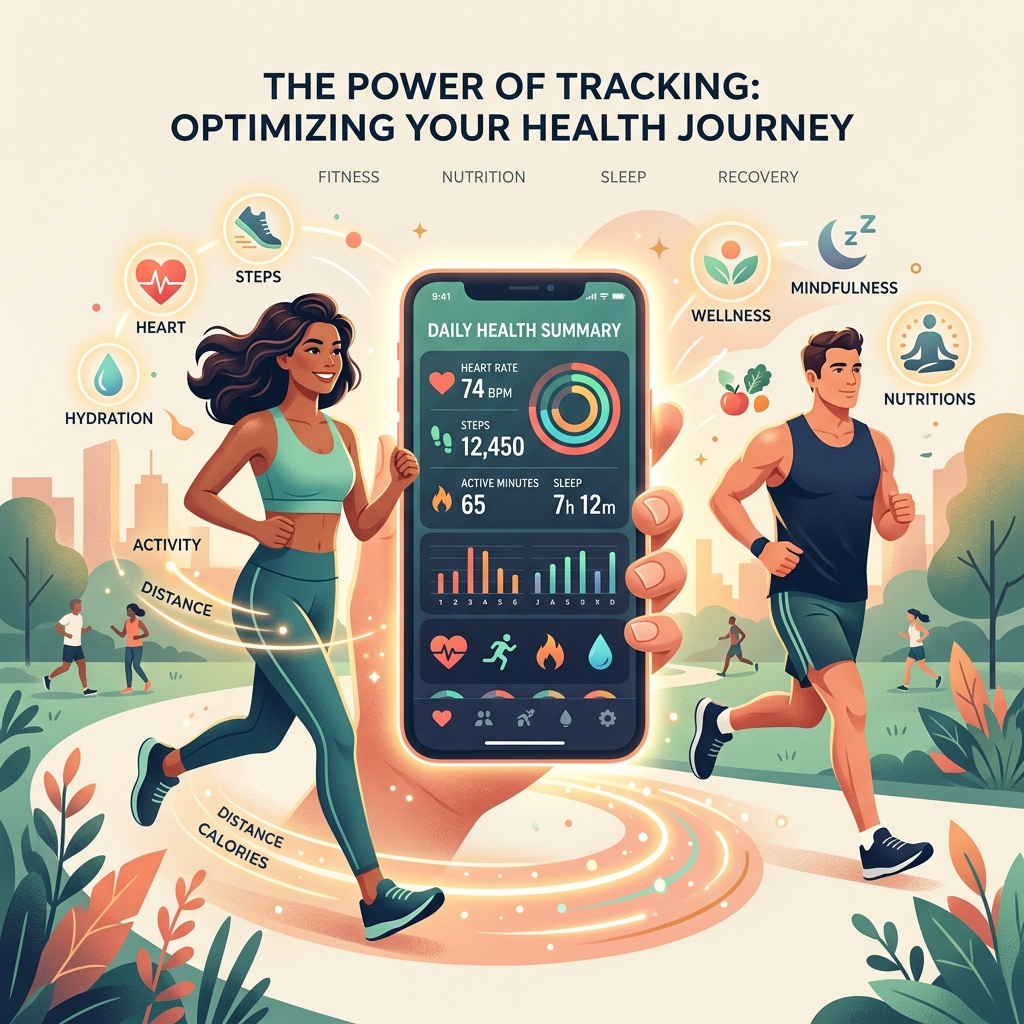
The Era of Digital Health
Tracking your health is no longer just for professional athletes or elite performers. In 2026, the average smartphone user has access to more biometric data about their body than many medical professionals had access to a decade ago. Step counts, heart rate variability, sleep stage breakdowns, blood oxygen levels, and calorie intake can all be monitored passively throughout the day.
The question is no longer whether to use digital health tools, but which ones are genuinely worth your time and money. The market is saturated with applications that promise dramatic results but deliver little real value. Many are designed around superficial gamification rather than meaningful health insights.
The five apps featured in this guide were selected based on a specific set of criteria: depth of data, quality of user experience, accuracy of tracking, quality of free plan, and long-term value for a wide range of users. Whether you want to lose weight, train for a race, sleep better, manage stress, or simply understand your body better, there is an app in this list that can help.
Why Health Apps Have Become Essential in 2026
Research has repeatedly shown that people who track their health behaviours are significantly more likely to reach their goals than those who rely on willpower alone. This is not because the apps themselves create results, but because measurement creates awareness. When you can see your sleep score drop after a late night of alcohol, or watch your resting heart rate fall as your cardiovascular fitness improves over months, abstract health goals become concrete, tangible feedback loops.
Modern health apps have also become significantly more accurate. Early fitness trackers were plagued by poor calorie estimates and unreliable step counting. In 2026, advances in sensor technology, machine learning algorithms, and integration between wearable devices and software have made tracking genuinely reliable for most metrics.
Rank #1
MyFitnessPal
Best for Nutrition Tracking & Calorie Management
Nutrition is the foundation of virtually every health goal. Whether you want to lose body fat, build muscle, increase energy levels, or simply develop healthier eating habits, what you eat matters more than almost any other variable. MyFitnessPal has been the industry standard in nutrition tracking since it launched, and in 2026 it remains the most powerful and comprehensive food logging application available.
The app's database contains over 14 million verified food items, including restaurant meals, branded packaged foods, and home-cooked dishes from virtually every cuisine in the world. Logging a meal takes seconds using the barcode scanner or the AI-powered food recognition camera, which can now identify foods from a photograph of your plate with impressive accuracy.
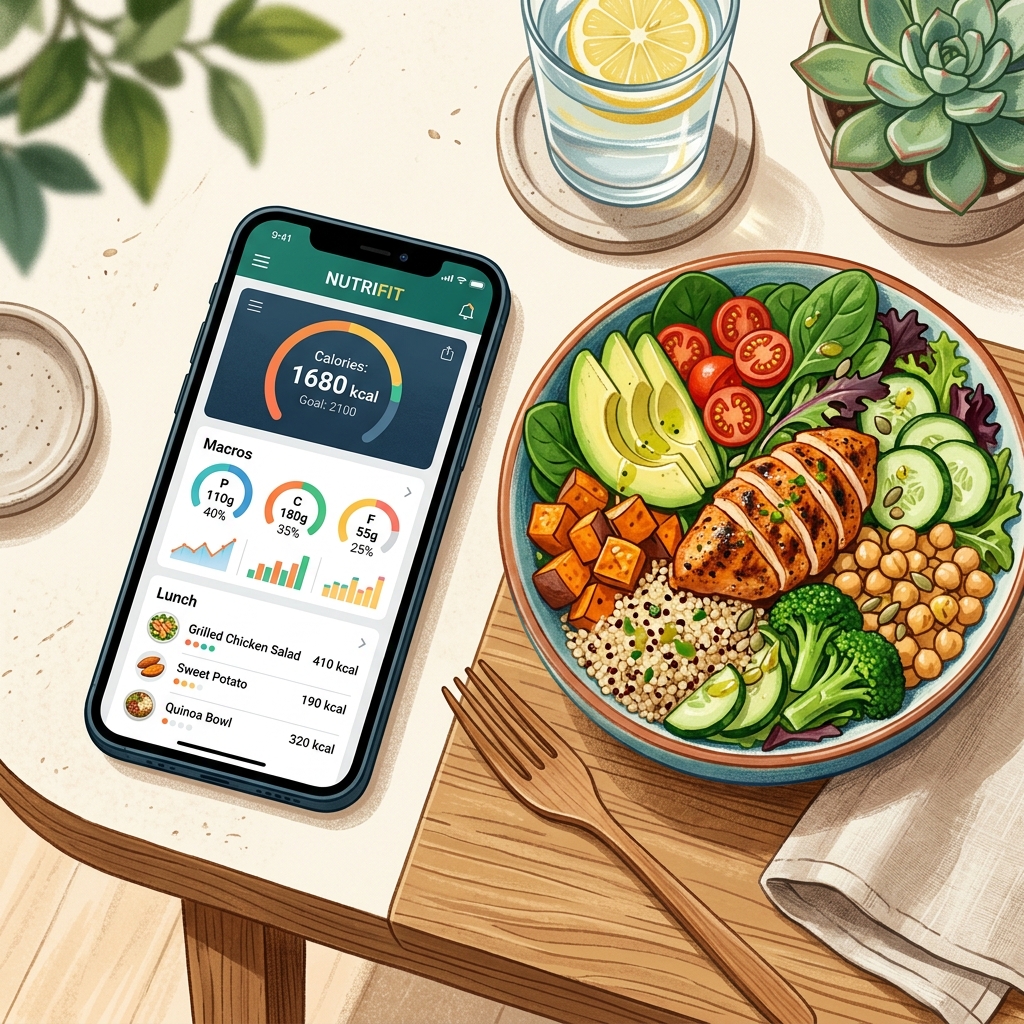
Core Features That Set It Apart
The macro tracking system is particularly well-developed. Users can set custom protein, carbohydrate, and fat targets based on their specific goals, whether that is a ketogenic diet, a high-protein bodybuilding approach, or a simple calorie deficit for weight loss. The app automatically calculates remaining macros after each meal entry, making it easy to plan the rest of your day nutritionally.
In 2026, MyFitnessPal introduced AI-generated meal suggestions based on your nutritional history. If the app detects you are consistently low in fibre or vitamin D, it will suggest specific meals or foods that would help address those gaps. This turns a simple calorie counter into something closer to a personalised nutrition coach.
Integration With Fitness Trackers
One of MyFitnessPal's greatest strengths is its ecosystem of integrations. The app connects with Apple Watch, Garmin, Fitbit, Samsung Health, Strava, and dozens of other platforms. When connected to a fitness tracker, your exercise calories are automatically added to your daily budget, giving you a complete picture of energy balance across the day.
Pricing
- Free: Calorie and macro tracking, barcode scanner, basic progress reports.
- Premium ($19.99/month or $79.99/year): Nutrient deep-dives, meal planning, ad-free experience, food analysis.
✓ Advantages
- World's largest food database
- Excellent macro customization
- AI-powered food recognition camera
- Deep integration with wearables
- Strong free tier for most users
✗ Disadvantages
- Premium pricing has increased significantly
- User-submitted database entries can be inaccurate
- Calorie burn estimates from exercise can be inflated
Expert Verdict: MyFitnessPal remains the single best tool for anyone who wants to take their nutrition seriously. No competitor comes close to matching its database size, integration ecosystem, or depth of nutritional analysis. If you only download one health app this year, make it this one.
Rank #2
Strava
Best for Cardio Training, Route Discovery & Social Accountability
If you run, cycle, swim, hike, or engage in any form of outdoor exercise, Strava is arguably the most important app you can have on your phone. What started as a simple GPS running tracker has evolved into the world's most popular fitness social network, with over 120 million active users logging workouts across 190 countries.
The social dimension of Strava is genuinely effective at driving consistency. Knowing that your friends, training partners, and club members will see your workout creates a layer of accountability that many users find impossible to replicate through solo tracking. Research on behaviour change consistently shows that social accountability is one of the most powerful drivers of exercise adherence.
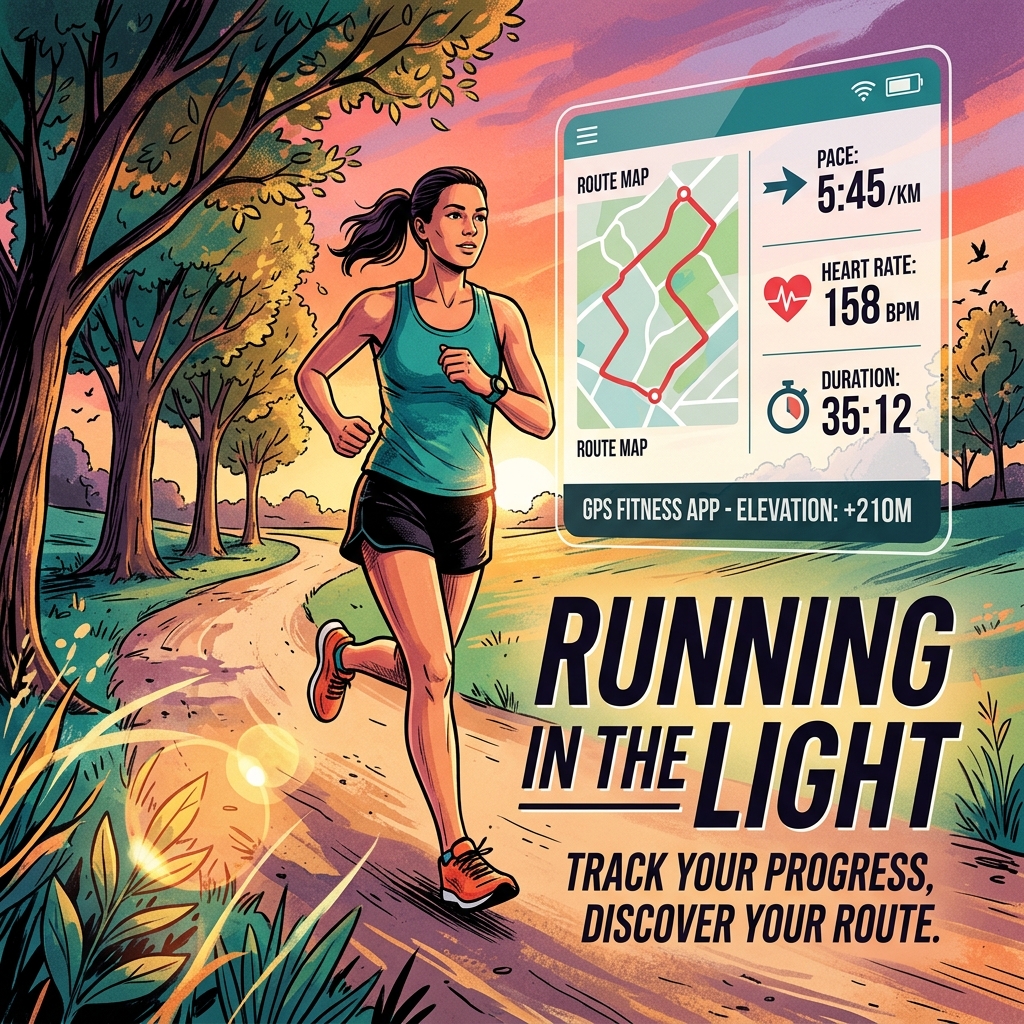
Training Features That Make a Real Difference
Beyond social features, Strava's analytical tools have matured significantly. The Training Load analysis feature helps prevent overtraining by tracking the cumulative stress of your workouts over time, balancing intensity and recovery. The segment leaderboard system — where every GPS-recorded stretch of road or trail becomes a competitive segment — turns ordinary training runs into competitive challenges.
Route discovery is another area where Strava excels. The app can generate personalised route suggestions based on your starting location, target distance, and terrain preferences. All routes are verified through millions of anonymised Strava activity data points, meaning you are always guided on paths that real athletes have run successfully.
Heart Rate Zone Training
When paired with a heart rate monitor (either a chest strap or a compatible smartwatch), Strava provides training zone breakdowns for every workout. These zones help you train at the right intensity for your goals — whether that is building aerobic base fitness in zone 2, developing lactate threshold in zone 4, or performing high-intensity intervals in zone 5.
Pricing
- Free: GPS tracking, segment matching, social feed, basic analysis.
- Strava Subscription ($11.99/month): Training load, route creation, heart rate analysis, live segments.
✓ Advantages
- Best GPS tracking accuracy on the market
- Powerful social accountability features
- Excellent route discovery
- Supports over 30 sport types
- Deep training analytics on premium
✗ Disadvantages
- Many useful features locked behind subscription
- Less useful if you primarily train indoors
- Battery drain when using GPS
Expert Verdict: Strava is essential for outdoor athletes. The combination of GPS precision, social accountability, and analytical depth make it the best cardio tracking tool available in 2026, regardless of sport or fitness level.
Rank #3
Oura App
Best for Sleep Optimisation & Recovery Monitoring
Sleep is the single most underrated performance variable in most people's health routines. You can eat perfectly, train consistently, and manage your stress effectively, but if your sleep quality is poor, every other aspect of your health will be compromised. Cognitive performance, hormonal balance, immune function, mood regulation, and physical recovery all depend fundamentally on the quality of your sleep.
The Oura Ring and its companion app have emerged as the gold standard for consumer sleep tracking. Unlike smartwatches that estimate sleep from wrist movement, the Oura Ring uses a combination of infrared photoplethysmography sensors, skin temperature sensors, and accelerometers positioned in the finger — an anatomical location that provides significantly more accurate blood flow data than the wrist.
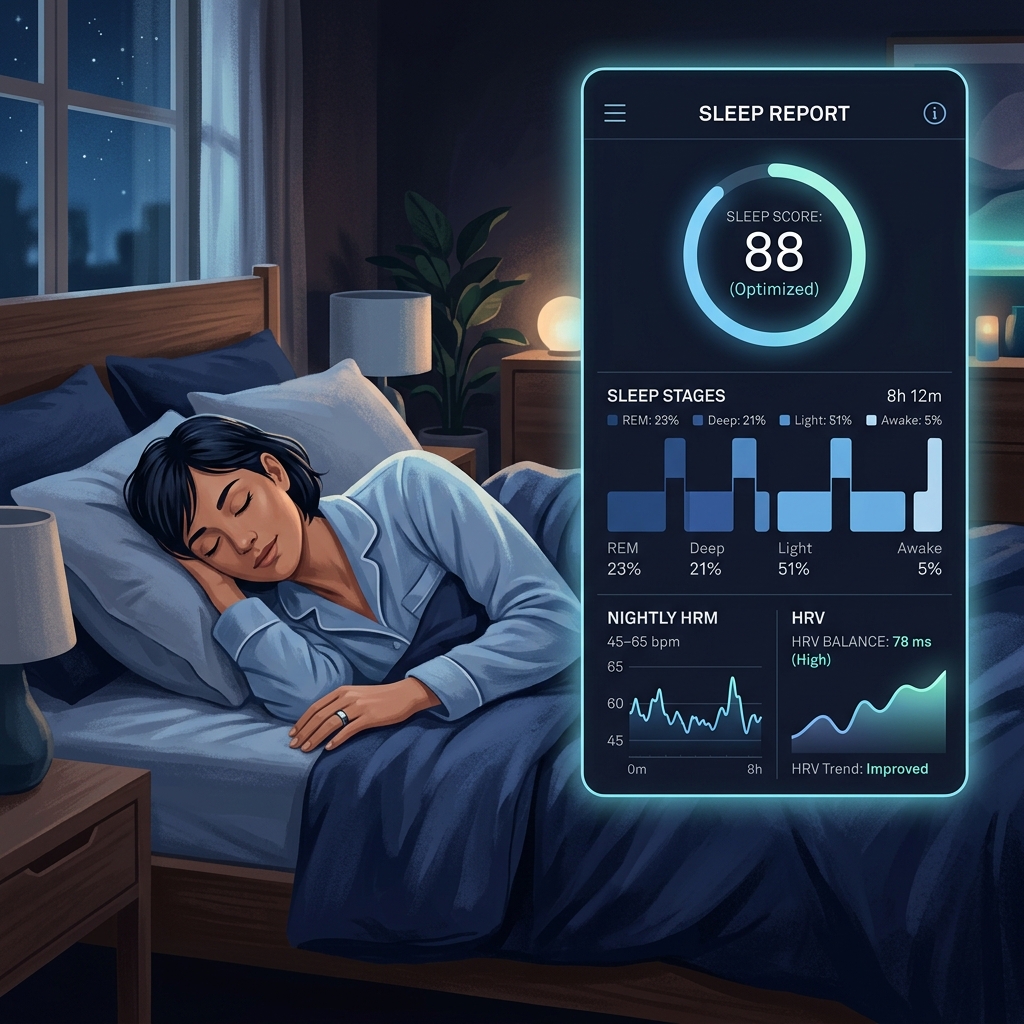
What the App Measures
The Oura app provides a nightly breakdown of your sleep architecture, including time spent in light sleep, deep sleep, and REM sleep, as well as the number and duration of awakenings. It tracks your resting heart rate throughout the night and calculates your heart rate variability (HRV), which is one of the most reliable physiological indicators of recovery quality available to consumers.
Each morning, the app generates a Readiness Score — a composite metric between 0 and 100 that synthesises your sleep data, HRV trends, skin temperature variation, and recent training load to tell you how prepared your body is for physical and cognitive demands that day. A high readiness score suggests your nervous system is well-recovered and you can push hard in training. A low score suggests prioritising rest and recovery.
Practical Insights That Change Behaviour
What makes the Oura app particularly powerful is the quality of its insights. Rather than simply showing you numbers, the app contextualises your data. If your skin temperature has been elevated for two nights, it will flag potential early signs of illness. If your HRV has been declining over the past week, it will suggest you may be accumulating excessive training stress or lifestyle fatigue.
Pricing
- Oura Ring hardware: from $299
- App subscription: $5.99/month (required after first month)
Expert Verdict: If you are serious about understanding your body and optimising your recovery, the Oura Ring and app represent the best consumer sleep tracking investment available. The data quality and actionable insights are genuinely superior to any wrist-based wearable.
Rank #4
Calm
Best for Mental Wellness, Stress Reduction & Mindfulness
Physical health cannot be separated from mental health. Chronic stress elevates cortisol levels, which suppresses immune function, disrupts sleep, promotes fat storage (particularly around the abdomen), and accelerates cellular ageing. Managing psychological stress is therefore not simply a question of emotional wellbeing — it is a fundamental requirement for physical health.
Calm has consistently been rated as the most effective and most accessible mindfulness application available, and in 2026 it has expanded its library to over 1,000 pieces of guided content, making it the largest curated mental wellness platform in the world.
What Makes Calm Different From Competitors
Most mindfulness apps offer similar core features: guided meditations, breathing exercises, and sleep sounds. Where Calm distinguishes itself is in the production quality and variety of its content. The guided meditations are recorded by some of the world's most respected mindfulness teachers and narrated with studio-quality audio. The Sleep Stories — a format unique to Calm — are narrated bedtime narratives specifically designed to slow the mind and facilitate sleep onset.
The Daily Calm feature delivers a new ten-minute meditation each day focused on a different mindfulness theme, providing a simple entry point for complete beginners while remaining engaging enough for experienced practitioners. Over time, the app builds a personalised understanding of which content types work best for you and adapts its recommendations accordingly.
Breathing Exercises and Stress Management
Calm's breathing exercise library covers a range of evidence-based techniques, including box breathing (a technique used by military special forces for acute stress management), the 4-7-8 breathing method (developed by Dr. Andrew Weil for sleep and anxiety), and coherence breathing (used in heart rate variability biofeedback training). These techniques have genuine physiological effects and can measurably reduce acute stress within minutes.
Pricing
- Free: Limited meditations, basic breathing tools, and 7 days of Daily Calm.
- Premium ($69.99/year): Full library access, offline downloads, unlimited sleep stories.
Expert Verdict: Calm is the most polished and comprehensive mental wellness application available. For anyone dealing with chronic stress, anxiety, or sleep difficulties, it provides genuine, evidence-based tools that can make a measurable difference in quality of life.
Rank #5
Apple Health
Best Overall Data Hub for iPhone Users
Apple Health occupies a unique position in the digital health ecosystem. Rather than competing directly with dedicated fitness or nutrition apps, it functions as the central intelligence layer that connects all of them. If you use an iPhone and Apple Watch, Apple Health is the invisible backbone of your entire health tracking infrastructure.
The app aggregates data from dozens of third-party applications and Apple Watch sensors, creating a unified health profile that spans movement, nutrition, sleep, heart health, respiratory health, reproductive health, and mental wellbeing. This consolidated view allows you to identify patterns and connections between different health variables that would be impossible to see when looking at each app in isolation.
Medical-Grade Data Features
Apple has invested significantly in making its health platform medically credible. The ECG function on Apple Watch (accessible through Apple Health) can detect atrial fibrillation with clinical-grade accuracy and has been approved by health regulators in multiple countries. The irregular heart rhythm notifications have been credited with identifying previously undiagnosed conditions in thousands of users.
The Health Records feature allows users to connect their Apple Health profile directly to healthcare providers, enabling clinicians to access patient-generated health data during appointments. This integration between consumer wearables and clinical healthcare represents a significant shift in preventive medicine.
Privacy and Data Security
Apple Health stores all health data encrypted on the device by default, with no advertising-based business model and no sale of health data to third parties. For users concerned about privacy, this represents a significant advantage over many competitor platforms whose business models depend on monetising user data.
Expert Verdict: Apple Health is not optional for iPhone users — it should be configured and used as the foundation of your entire health tracking setup. Its data aggregation capabilities, medical-grade features, and privacy-first approach make it the most important health application in the Apple ecosystem.
App Comparison Table
| App | Best For | Free Plan | Premium Price | Score |
|---|---|---|---|---|
| MyFitnessPal | Nutrition & calories | Yes — generous | $79.99/yr | 9.4/10 |
| Strava | Cardio & community | Yes — limited | $11.99/mo | 9.2/10 |
| Oura App | Sleep & recovery | 1 month free | $5.99/mo + ring | 9.0/10 |
| Calm | Mental wellness | Yes — limited | $69.99/yr | 8.8/10 |
| Apple Health | Data hub (iPhone) | Completely free | Free | 8.7/10 |
Which App Should You Start With?
If you are completely new to health tracking, the answer is simple: start with Apple Health (if you have an iPhone) to establish your data foundation, then add MyFitnessPal for nutrition awareness. These two free tools alone can produce significant behavioural changes without spending a single dollar.
If you exercise outdoors regularly, add Strava to your toolkit. If sleep quality is your primary concern, invest in the Oura Ring and app — the data quality is worth the upfront cost. If stress or anxiety is affecting your daily life, Calm offers one of the most accessible and evidence-based entry points into mindfulness practice.
The most important thing is to pick one app, use it consistently for at least four to six weeks, and allow the data to inform your decisions. Health transformation is not a sprint. It is a long game played with consistent, informed daily choices.